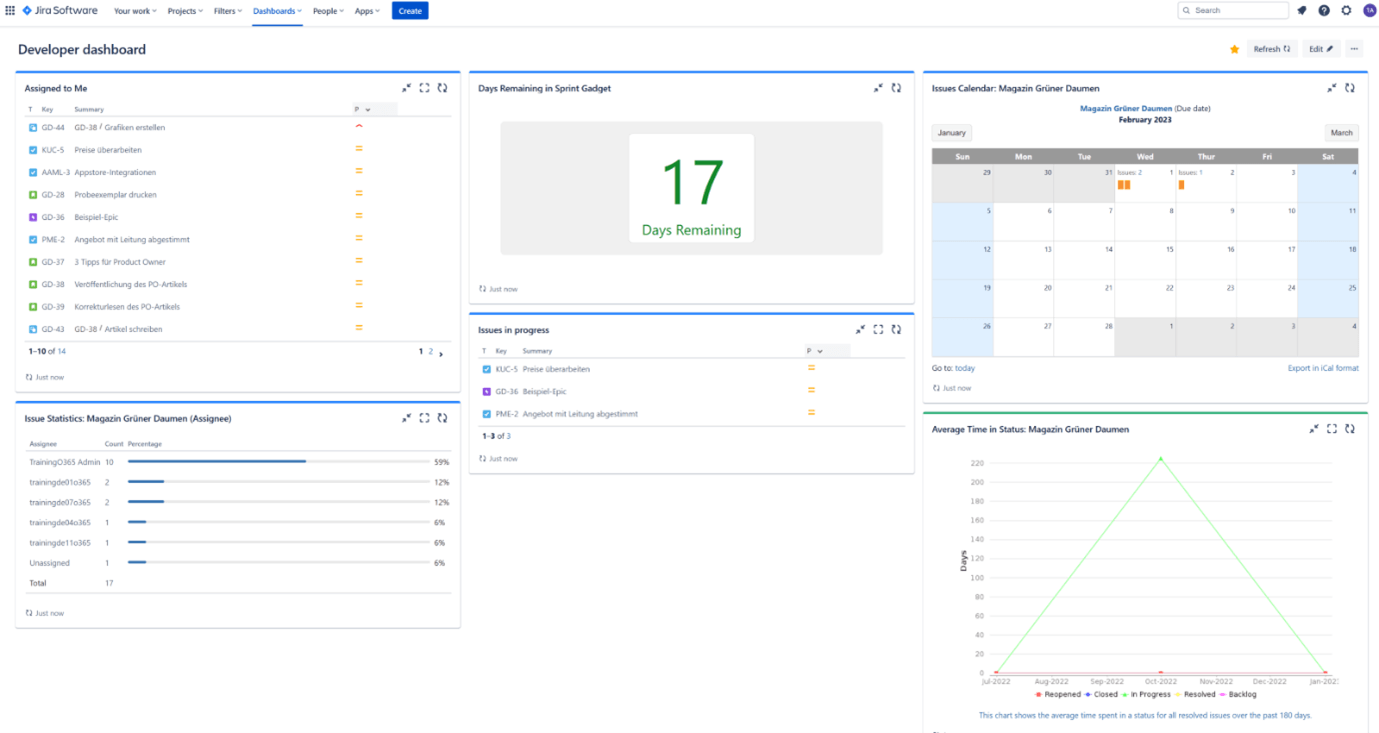
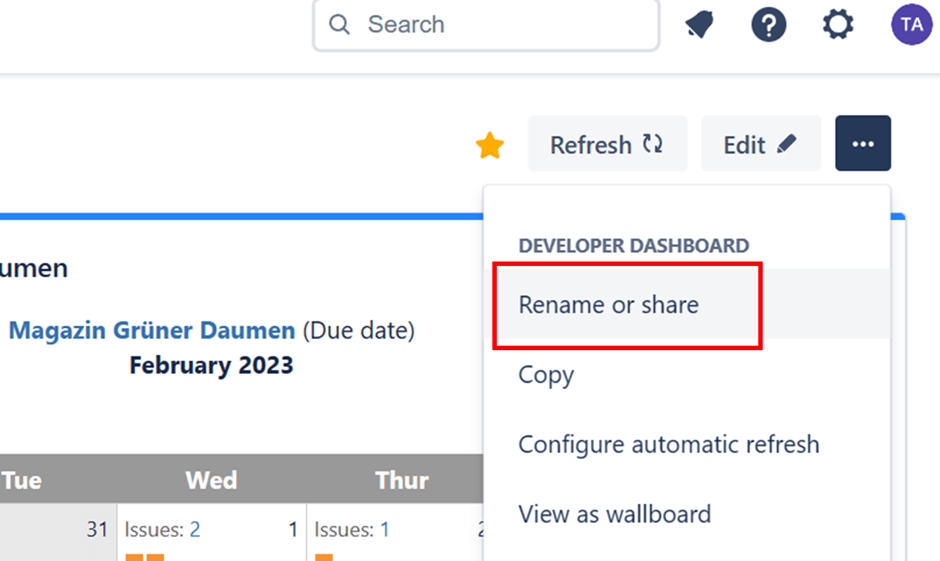
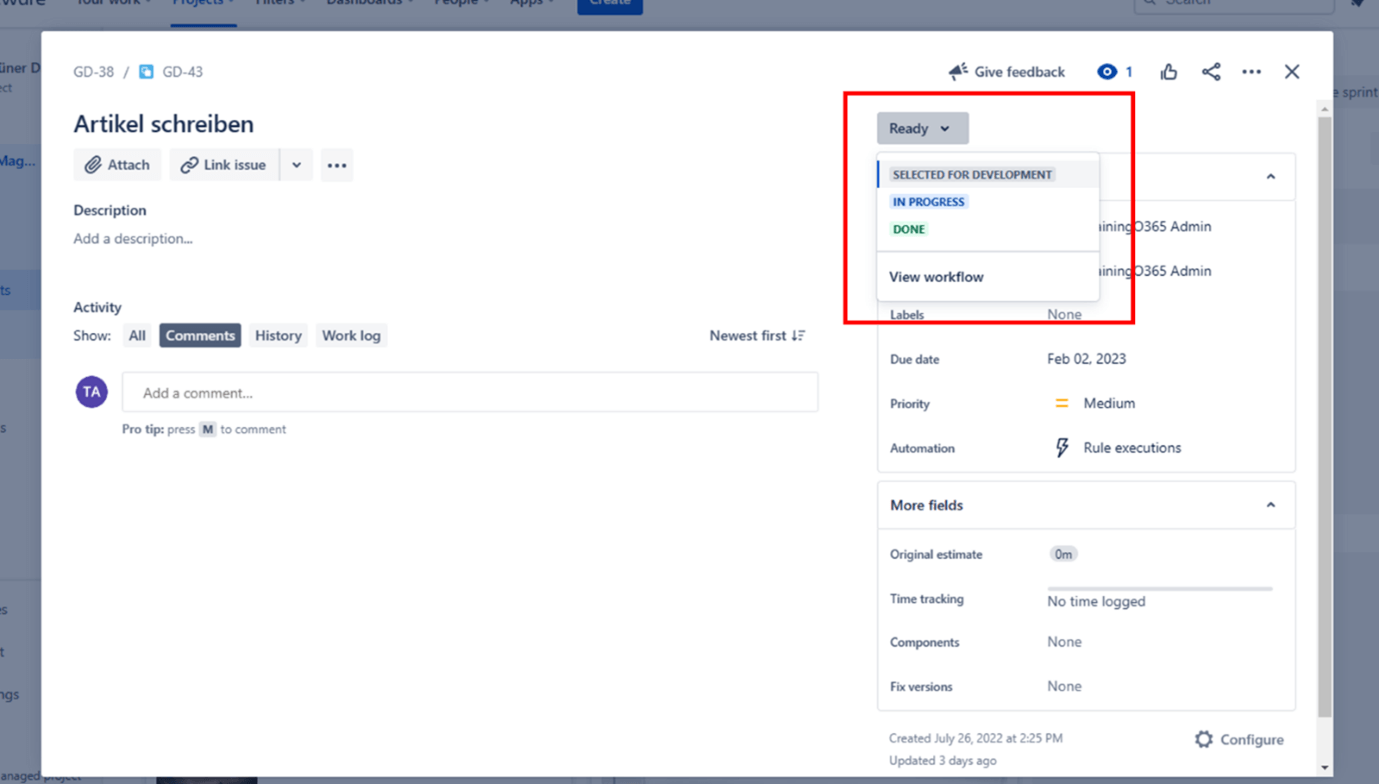
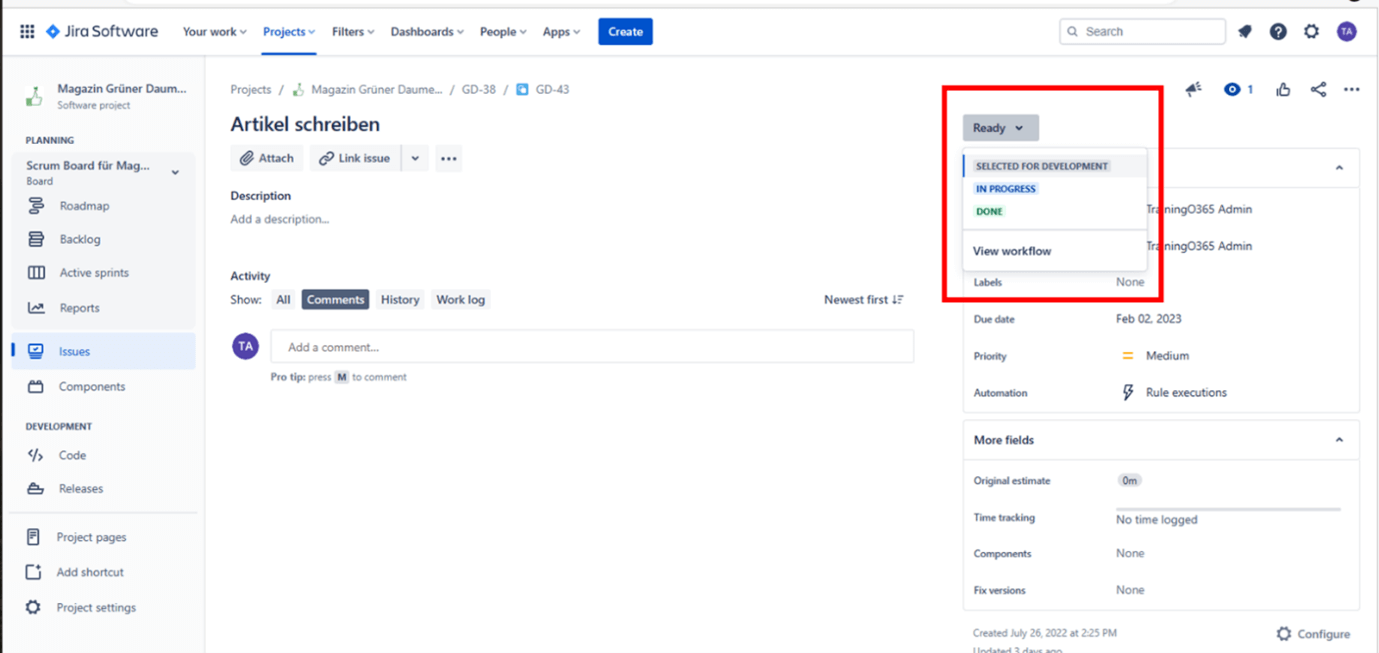
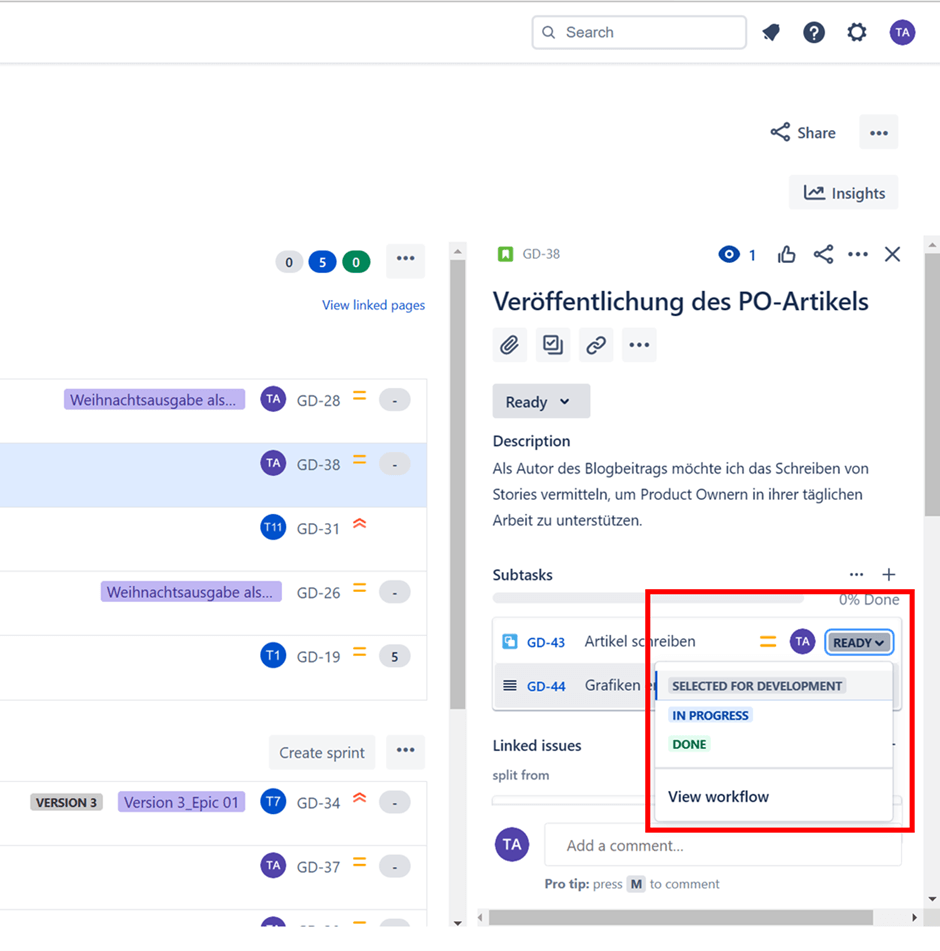
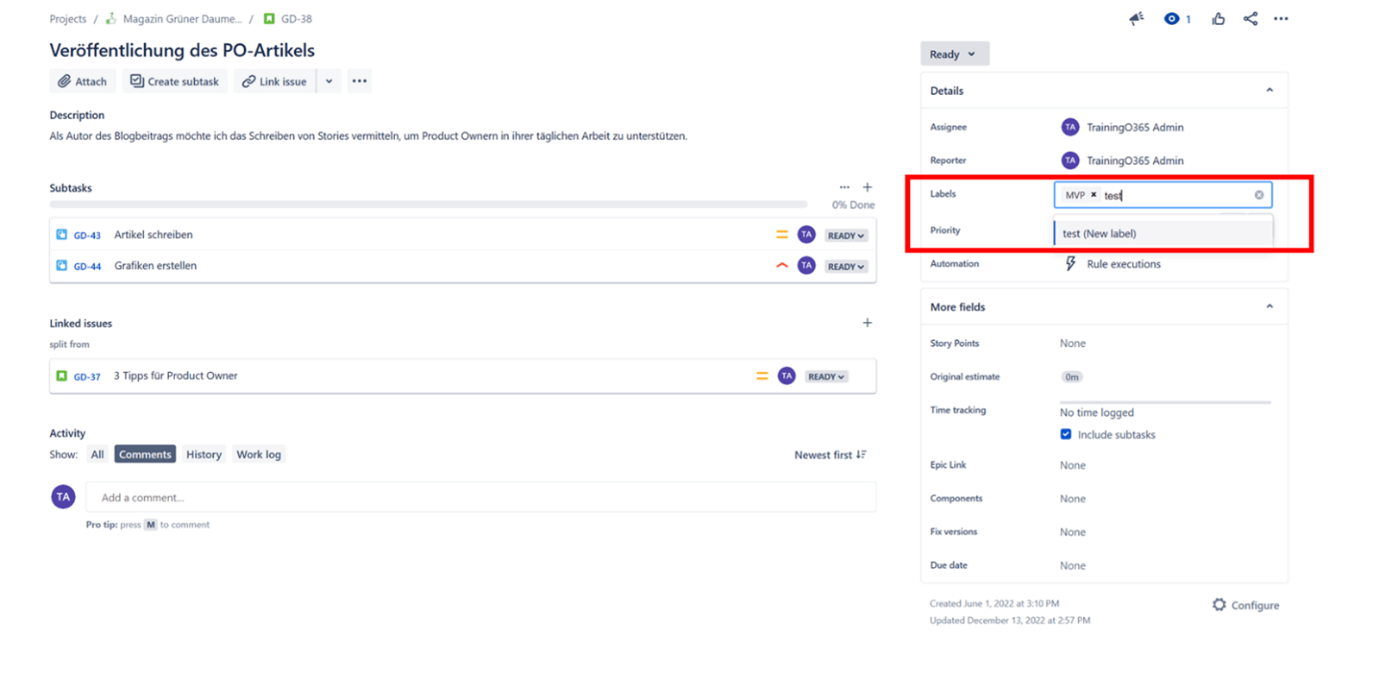
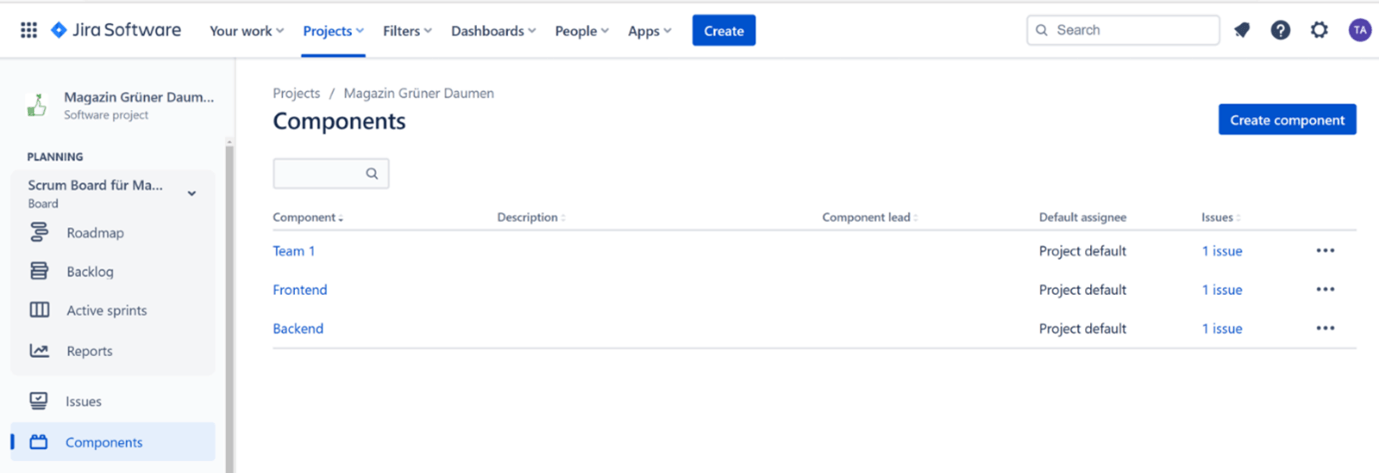
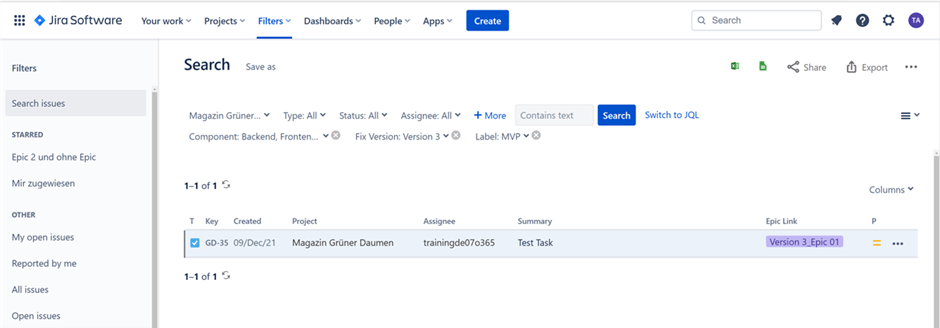
<img loading='lazy' style='display: none;' data-attachment-id-target='0' src=''><img loading='lazy' style='display: none;' data-attachment-id-target='10568' src='https://www.theprojectgroup.com/blog/wp-content/uploads/2023/03/Bild1.png'><img loading='lazy' style='display: none;' data-attachment-id-target='10569' src='https://www.theprojectgroup.com/blog/wp-content/uploads/2023/03/Bild2.png'><img loading='lazy' style='display: none;' data-attachment-id-target='0' src=''><img loading='lazy' style='display: none;' data-attachment-id-target='10570' src='https://www.theprojectgroup.com/blog/wp-content/uploads/2023/03/Bild3-1.png'><img loading='lazy' style='display: none;' data-attachment-id-target='10571' src='https://www.theprojectgroup.com/blog/wp-content/uploads/2023/03/Bild4-1.png'><img loading='lazy' style='display: none;' data-attachment-id-target='10572' src='https://www.theprojectgroup.com/blog/wp-content/uploads/2023/03/Bild5-1.png'><img loading='lazy' style='display: none;' data-attachment-id-target='10573' src='https://www.theprojectgroup.com/blog/wp-content/uploads/2023/03/Bild6-1.png'><img loading='lazy' style='display: none;' data-attachment-id-target='10574' src='https://www.theprojectgroup.com/blog/wp-content/uploads/2023/03/Bild7-1.png'><img loading='lazy' style='display: none;' data-attachment-id-target='10575' src='https://www.theprojectgroup.com/blog/wp-content/uploads/2023/03/Bild8-1.png'><img loading='lazy' style='display: none;' data-attachment-id-target='10576' src='https://www.theprojectgroup.com/blog/wp-content/uploads/2023/03/Bild9-2.png'><img loading='lazy' style='display: none;' data-attachment-id-target='0' src=''><img loading='lazy' style='display: none;' data-attachment-id-target='6274' src='https://www.theprojectgroup.com/blog/wp-content/uploads/2020/04/Antje-058-Bearbeitet_quadrat_Web-e1598523083709.jpg'><img loading='lazy' style='display: none;' data-attachment-id-target='0' src=''>{"id":10566,"date":"2023-12-14T13:49:18","date_gmt":"2023-12-14T12:49:18","guid":{"rendered":"https:\/\/www.theprojectgroup.com\/blog\/?p=10566"},"modified":"2025-08-05T11:38:22","modified_gmt":"2025-08-05T09:38:22","slug":"developer-jira","status":"publish","type":"post","link":"https:\/\/www.theprojectgroup.com\/blog\/developer-jira\/","title":{"rendered":"4 Developer Jira und Confluence Tipps, durch die Sie in der Scrum-Umgebung leichter arbeiten"},"content":{"rendered":"<p><span data-contrast=\"none\">Das webbasierte Atlassian Jira hat sich mittlerweile zum dominierenden Tool f\u00fcr Aufgabenmanagement, Projektmanagement und Fehlerverwaltung entwickelt. Besonders f\u00fcr Projekte, in denen die Methoden Scrum und Kanban zum Einsatz kommen, eignet sich Jira sehr gut.\u00a0<\/span><\/p>\n<p><span data-contrast=\"none\">In diesem Artikel erhalten Sie vier Tipps, wie <strong>Developer Jira und Confluence<\/strong> als Tools f\u00fcr die bessere Begleitung der Prozesse und die Zusammenarbeit im Team nutzen k\u00f6nnen \u2013 und was Sie unbedingt beachten sollten. <\/span><span data-ccp-props=\"{&quot;201341983&quot;:0,&quot;335559739&quot;:446,&quot;335559740&quot;:240}\">Dieser Artikel ist Bestandteil unserer Blog-Reihe <a href=\"#Serie\">\u201eJira f\u00fcr Rollen im Projektmanagement\u201c<\/a>.<br \/>\n<\/span><\/p>\n<p>Diese Kapitel warten auf Sie:<\/p>\n<ul>\n<li><a href=\"#Kapitel1\"> Welche Aufgaben von Developern k\u00f6nnen Jira und Confluence unterst\u00fctzen?\u00a0<\/a><\/li>\n<li><a href=\"#Kapitel2\"> Tipp 1: Personalisiertes Dashboard<\/a><\/li>\n<li><a href=\"#Kapitel3\"> Tipp 2: Status eines Vorgangs aktualisieren <\/a><\/li>\n<li><a href=\"#Kapitel4\"> Tipp 3: Labels, Versionen, Komponenten und Filter<\/a><\/li>\n<li><a href=\"#Kapitel5\"> Tipp 4: Codes teilen mit dem Code-Block-Makro<\/a><\/li>\n<li><a href=\"#Kapitel6\"><span data-contrast=\"none\"> Fazit \u2013 Developer Jira und Confluence Tipps<\/span><\/a><\/li>\n<\/ul>\n<p><span data-contrast=\"none\">Legen wir los mit einer kurzen Definition.<\/span><span data-ccp-props=\"{&quot;201341983&quot;:0,&quot;335559685&quot;:0,&quot;335559739&quot;:0,&quot;335559740&quot;:240}\">\u00a0<\/span><\/p>\n<h2>Was ist ein Developer laut Scrum?<\/h2>\n<p><span data-contrast=\"none\">Als <strong>Developer<\/strong> werden in einem <\/span><span data-ccp-charstyle=\"Hyperlink\">Scrum-Team<\/span><span data-contrast=\"none\"> (und auch in diesem Artikel) jene Teammitglieder bezeichnet, die <strong>aktiv an der Entwicklung eines Produkts beteiligt<\/strong> sind (aller Art, insbesondere Software), etwa als <\/span><span data-contrast=\"none\">Entwickler:innen, <\/span><span data-contrast=\"none\">Tester:innen oder <\/span><span data-contrast=\"none\">Designer:innen. <\/span><span data-ccp-props=\"{&quot;201341983&quot;:0,&quot;335559739&quot;:446,&quot;335559740&quot;:240}\">\u00a0<\/span><\/p>\n\n    <p class=\"datamintsbanner\">\n        <a href=\"\" target=\"_blank\" class=\"datamintsbanner__link\" title=\"Motorworld Event (TPG Webinar)\" style=\"display: block;\">\n            <img data-attachment-id=\"0\"decoding=\"async\" src=\"\" class=\"datamintsbanner__image\" style=\"display: block; max-width: 100%\">\n        <\/a>\n    <\/p>\n    \n<h2 id=\"Kapitel1\">Welche Aufgaben von Developern k\u00f6nnen Jira und Confluence unterst\u00fctzen?<\/h2>\n<p><span data-contrast=\"none\">Jira ist vor allem f\u00fcr <strong>Aufgabenmanagement<\/strong> gedacht. Es bildet die Realit\u00e4ten verschiedener und insbesondere agil arbeitender Teams durch diverse Projekt- und Boardtypen ab. Somit kann es besonders Developern die Planung und Organisation ihrer Arbeit sowie den Austausch dar\u00fcber erleichtern. <\/span><\/p>\n<p><span data-contrast=\"none\">Durch die einfache Anbindung von Code-Plattformen wie <a href=\"https:\/\/bitbucket.org\/product?&amp;aceid=&amp;adposition=&amp;adgroup=146041776951&amp;campaign=18815940238&amp;creative=632894031513&amp;device=c&amp;keyword=bitbucket&amp;matchtype=e&amp;network=g&amp;placement=&amp;ds_kids=p74128722518&amp;ds_e=GOOGLE&amp;ds_eid=700000001551985&amp;ds_e1=GOOGLE&amp;gclid=CjwKCAjw_MqgBhAGEiwAnYOAekhZ-FUoHWpG_pkfu0RHAHXw090dCC3fOd3ziUm1Ak-kiQvo4Wy3gRoC4OoQAvD_BwE&amp;gclsrc=aw.ds\" target=\"_blank\" rel=\"noopener\">Bitbucket<\/a>, <a href=\"https:\/\/github.com\/\" target=\"_blank\" rel=\"noopener\">Github<\/a> und weiteren Software-Entwicklungstools k\u00f6nnen die verschiedenen verwendeten <strong>Umgebungen integriert und Arbeitsabl\u00e4ufe automatisiert<\/strong> werden. Das kann die Effizienz von Software-Teams drastisch erh\u00f6hen. <\/span><\/p>\n<p><span data-contrast=\"none\">Die wichtigste Voraussetzung dabei ist allerdings, dass die <strong>Teammitglieder eng in die Einrichtung und Abbildung der Prozesse eingebunden sind<\/strong>. Die Prozesse sollten m\u00f6glichst leichtgewichtig gestaltet werden. Software wie Jira kann dann die Arbeit tats\u00e4chlich unterst\u00fctzen und wird nicht als Belastung gesehen, weil der t\u00e4gliche Aktualisierungsaufwand gering bleibt.<\/span><\/p>\n<p><span data-contrast=\"none\">Damit Ihnen dies besser gelingt, finden Sie folgend einige wichtige Tipps, wie Developer Jira und Confluence in ihrem Umfeld gut zum Einsatz bringen k\u00f6nnen.<\/span><\/p>\n<h2 id=\"Kapitel2\">Tipp 1: Personalisiertes Dashboard<\/h2>\n<p>Wollen Sie als Teammitglied zu Arbeitsbeginn einen schnellen \u00dcberblick erhalten, <strong>welche Themen offen und als N\u00e4chstes abzuarbeiten sind<\/strong>? Solche Informationen aufzubereiten, ist eine der St\u00e4rken von Jira.<\/p>\n<p>Mit eigenen Jira Dashboards k\u00f6nnen Teammitglieder selbst eine \u00dcbersicht zusammenstellen, die die Einf\u00fchrung einer t\u00e4glichen Routine unterst\u00fctzen. <span data-contrast=\"none\">Die Zusammenstellung der K\u00e4sten (\u201cGadgets\u201d) kann durch jeden Jira User in einem eigenen Dashboard selbst festgelegt werden.<\/span><span data-ccp-props=\"{&quot;201341983&quot;:0,&quot;335559685&quot;:0,&quot;335559739&quot;:446,&quot;335559740&quot;:240}\">\u00a0<\/span><\/p>\n<figure id=\"attachment_10568\" aria-describedby=\"caption-attachment-10568\" style=\"width: 700px\" class=\"wp-caption aligncenter\"><a href=\"https:\/\/www.theprojectgroup.com\/blog\/wp-content\/uploads\/2023\/03\/Bild1.png\"><img data-attachment-id=\"10568\"loading=\"lazy\" decoding=\"async\" class=\"wp-image-10568\" src=\"https:\/\/www.theprojectgroup.com\/blog\/wp-content\/uploads\/2023\/03\/Bild1-1024x544.png\" alt=\"Jira Developer Confluence - Dashboard\" width=\"700\" height=\"372\" srcset=\"https:\/\/www.theprojectgroup.com\/blog\/wp-content\/uploads\/2023\/03\/Bild1-1024x544.png 1024w, https:\/\/www.theprojectgroup.com\/blog\/wp-content\/uploads\/2023\/03\/Bild1-300x159.png 300w, https:\/\/www.theprojectgroup.com\/blog\/wp-content\/uploads\/2023\/03\/Bild1-768x408.png 768w, https:\/\/www.theprojectgroup.com\/blog\/wp-content\/uploads\/2023\/03\/Bild1.png 1379w\" sizes=\"(max-width: 700px) 100vw, 700px\" \/><\/a><figcaption id=\"caption-attachment-10568\" class=\"wp-caption-text\">Dashboard in Atlassian Jira: Dieses Beispiel zeigt h\u00e4ufig verwendete Gadgets wie \u201dAssigned to Me\u201d (\u201dmir zugewiesen\u201d) und grafische Auswertungen des Fortschritts.<\/figcaption><\/figure>\n<p>Auch das Teilen \u2013 und damit das <strong>Einrichten von Dashboards f\u00fcr ein Team<\/strong> oder auch einen festgelegten Personenkreis \u2013 ist in Jira m\u00f6glich.<span data-ccp-props=\"{&quot;201341983&quot;:0,&quot;335551550&quot;:6,&quot;335551620&quot;:6,&quot;335559685&quot;:0,&quot;335559739&quot;:446,&quot;335559740&quot;:240}\">\u00a0<\/span><\/p>\n<figure id=\"attachment_10569\" aria-describedby=\"caption-attachment-10569\" style=\"width: 500px\" class=\"wp-caption aligncenter\"><a href=\"https:\/\/www.theprojectgroup.com\/blog\/wp-content\/uploads\/2023\/03\/Bild2.png\"><img data-attachment-id=\"10569\"loading=\"lazy\" decoding=\"async\" class=\"wp-image-10569\" src=\"https:\/\/www.theprojectgroup.com\/blog\/wp-content\/uploads\/2023\/03\/Bild2.png\" alt=\"Jira Developer Confluence - Dashboard teilen\" width=\"500\" height=\"298\" srcset=\"https:\/\/www.theprojectgroup.com\/blog\/wp-content\/uploads\/2023\/03\/Bild2.png 940w, https:\/\/www.theprojectgroup.com\/blog\/wp-content\/uploads\/2023\/03\/Bild2-300x179.png 300w, https:\/\/www.theprojectgroup.com\/blog\/wp-content\/uploads\/2023\/03\/Bild2-768x458.png 768w\" sizes=\"(max-width: 500px) 100vw, 500px\" \/><\/a><figcaption id=\"caption-attachment-10569\" class=\"wp-caption-text\">Das Teilen eines Dashboards mit anderen Jira Nutzern ist jederzeit \u00fcber den Befehl \u201cRename or share\u201d m\u00f6glich.<\/figcaption><\/figure>\n\n    <p class=\"datamintsbanner\">\n        <a href=\"https:\/\/bit.ly\/3u3CoCT\" target=\"_blank\" class=\"datamintsbanner__link\" title=\"Seminar Jira Schulung Atlassian AtlassianJira Agil Projektmanagement PM JiraSeminar Agil\" style=\"display: block;\">\n            <img data-attachment-id=\"0\"decoding=\"async\" src=\"https:\/\/www.theprojectgroup.com\/blog\/wp-content\/uploads\/2022\/07\/TPG_Header_1400_JIRA-Schulungen_de.jpg\" class=\"datamintsbanner__image\" style=\"display: block; max-width: 100%\">\n        <\/a>\n    <\/p>\n    \n<h2 id=\"Kapitel3\">Tipp 2: Status eines Vorgangs aktualisieren<\/h2>\n<p>Developer haben mit der Produktentwicklung meist alle H\u00e4nde voll zu tun. Die Aktualisierung der Planung und des Arbeitsfortschritts sollte daher m\u00f6glichst intuitiv und schnell geschehen k\u00f6nnen.<\/p>\n<p>Aus dem Grunde ist es in Jira in den letzten Jahren immer einfacher geworden, solche Updates vorzunehmen: durch intuitivere Benutzerf\u00fchrung und Automatisierung \u2013 aber auch dadurch, dass besonders in Jira Cloud oft viele Wege zum Ziel f\u00fchren.<\/p>\n<p>So l\u00e4sst sich der Status eines Issues (deutsches Jira: \u201eVorgang\u201c), also eines Eintrags in einem Projekt, der als Planungsgrundlage f\u00fcr die Arbeit dient, auf mehreren Wegen aktualisieren. Diese geht \u00fcber:<\/p>\n<ol>\n<li><span data-contrast=\"none\"> Issue-Schnellansicht<\/span><\/li>\n<li><span data-contrast=\"none\"> Issue-Vollbildansicht<\/span><\/li>\n<li><span data-contrast=\"none\"> einen verlinkten oder einen Parent Issue<\/span><\/li>\n<\/ol>\n<figure id=\"attachment_10570\" aria-describedby=\"caption-attachment-10570\" style=\"width: 700px\" class=\"wp-caption aligncenter\"><a href=\"https:\/\/www.theprojectgroup.com\/blog\/wp-content\/uploads\/2023\/03\/Bild3-1.png\"><img data-attachment-id=\"10570\"loading=\"lazy\" decoding=\"async\" class=\"wp-image-10570\" src=\"https:\/\/www.theprojectgroup.com\/blog\/wp-content\/uploads\/2023\/03\/Bild3-1-1024x582.png\" alt=\"Jira Developer Confluence - Aktualisierung eines Issuestatus\" width=\"700\" height=\"398\" srcset=\"https:\/\/www.theprojectgroup.com\/blog\/wp-content\/uploads\/2023\/03\/Bild3-1-1024x582.png 1024w, https:\/\/www.theprojectgroup.com\/blog\/wp-content\/uploads\/2023\/03\/Bild3-1-300x171.png 300w, https:\/\/www.theprojectgroup.com\/blog\/wp-content\/uploads\/2023\/03\/Bild3-1-768x437.png 768w, https:\/\/www.theprojectgroup.com\/blog\/wp-content\/uploads\/2023\/03\/Bild3-1.png 1379w\" sizes=\"(max-width: 700px) 100vw, 700px\" \/><\/a><figcaption id=\"caption-attachment-10570\" class=\"wp-caption-text\">Aktualisierung eines Issuestatus \u00fcber die Issue-Schnellansicht (in Jira Cloud als Popup dargestellt).<\/figcaption><\/figure>\n<figure id=\"attachment_10571\" aria-describedby=\"caption-attachment-10571\" style=\"width: 700px\" class=\"wp-caption aligncenter\"><a href=\"https:\/\/www.theprojectgroup.com\/blog\/wp-content\/uploads\/2023\/03\/Bild4-1.png\"><img data-attachment-id=\"10571\"loading=\"lazy\" decoding=\"async\" class=\"wp-image-10571\" src=\"https:\/\/www.theprojectgroup.com\/blog\/wp-content\/uploads\/2023\/03\/Bild4-1-1024x485.png\" alt=\"Jira Developer Confluence - Issue-Vollbildansicht \" width=\"700\" height=\"331\" srcset=\"https:\/\/www.theprojectgroup.com\/blog\/wp-content\/uploads\/2023\/03\/Bild4-1-1024x485.png 1024w, https:\/\/www.theprojectgroup.com\/blog\/wp-content\/uploads\/2023\/03\/Bild4-1-300x142.png 300w, https:\/\/www.theprojectgroup.com\/blog\/wp-content\/uploads\/2023\/03\/Bild4-1-768x364.png 768w, https:\/\/www.theprojectgroup.com\/blog\/wp-content\/uploads\/2023\/03\/Bild4-1.png 1379w\" sizes=\"(max-width: 700px) 100vw, 700px\" \/><\/a><figcaption id=\"caption-attachment-10571\" class=\"wp-caption-text\">Aktualisierung eines Issuestatus \u00fcber die Issue-Vollbildansicht (z.B. \u00fcber Klick auf den Issue Key in der Schnellansicht zug\u00e4nglich).<\/figcaption><\/figure>\n<figure id=\"attachment_10572\" aria-describedby=\"caption-attachment-10572\" style=\"width: 700px\" class=\"wp-caption aligncenter\"><a href=\"https:\/\/www.theprojectgroup.com\/blog\/wp-content\/uploads\/2023\/03\/Bild5-1.png\"><img data-attachment-id=\"10572\"loading=\"lazy\" decoding=\"async\" class=\"wp-image-10572\" src=\"https:\/\/www.theprojectgroup.com\/blog\/wp-content\/uploads\/2023\/03\/Bild5-1.png\" alt=\"Jira Developer Confluence - Issuestatus \u00fcber eine Verlinkung\" width=\"700\" height=\"708\" srcset=\"https:\/\/www.theprojectgroup.com\/blog\/wp-content\/uploads\/2023\/03\/Bild5-1.png 940w, https:\/\/www.theprojectgroup.com\/blog\/wp-content\/uploads\/2023\/03\/Bild5-1-297x300.png 297w, https:\/\/www.theprojectgroup.com\/blog\/wp-content\/uploads\/2023\/03\/Bild5-1-768x777.png 768w\" sizes=\"(max-width: 700px) 100vw, 700px\" \/><\/a><figcaption id=\"caption-attachment-10572\" class=\"wp-caption-text\">Aktualisierung eines Issuestatus \u00fcber eine Verlinkung \u2013 in diesem Fall ist der betreffende Issue ein Sub-Task eines anderen Issues und kann auch bei Ansicht des Parents, z.B. wie hier im Backlog, auf schnellem Wege einen aktualisierten Status erhalten.<\/figcaption><\/figure>\n<h2 id=\"Kapitel4\"><span data-contrast=\"none\">Tipp 3: Labels, Versionen, Komponenten und Filter <\/span><\/h2>\n<p><span data-contrast=\"none\">In Jira dienen Labels, Versionen und Komponenten dazu, Projekte und <strong>Issues zu organisieren und zu kategorisieren<\/strong>.\u00a0<\/span><span data-ccp-props=\"{&quot;201341983&quot;:0,&quot;335559739&quot;:160,&quot;335559740&quot;:259}\">\u00a0<\/span><\/p>\n<p><span data-contrast=\"none\"><strong>Labels<\/strong> k\u00f6nnen wie Schlagw\u00f6rter betrachtet werden, mit denen Issues gekennzeichnet und gesucht werden k\u00f6nnen.\u00a0<\/span><span data-ccp-props=\"{&quot;201341983&quot;:0,&quot;335559739&quot;:160,&quot;335559740&quot;:259}\">\u00a0<\/span><\/p>\n<figure id=\"attachment_10573\" aria-describedby=\"caption-attachment-10573\" style=\"width: 700px\" class=\"wp-caption aligncenter\"><a href=\"https:\/\/www.theprojectgroup.com\/blog\/wp-content\/uploads\/2023\/03\/Bild6-1.png\"><img data-attachment-id=\"10573\"loading=\"lazy\" decoding=\"async\" class=\"wp-image-10573\" src=\"https:\/\/www.theprojectgroup.com\/blog\/wp-content\/uploads\/2023\/03\/Bild6-1-1024x515.png\" alt=\"Jira Developer Confluence - Issuelabels zur Kategorisierung\" width=\"700\" height=\"352\" srcset=\"https:\/\/www.theprojectgroup.com\/blog\/wp-content\/uploads\/2023\/03\/Bild6-1-1024x515.png 1024w, https:\/\/www.theprojectgroup.com\/blog\/wp-content\/uploads\/2023\/03\/Bild6-1-300x150.png 300w, https:\/\/www.theprojectgroup.com\/blog\/wp-content\/uploads\/2023\/03\/Bild6-1-768x386.png 768w, https:\/\/www.theprojectgroup.com\/blog\/wp-content\/uploads\/2023\/03\/Bild6-1-350x175.png 350w, https:\/\/www.theprojectgroup.com\/blog\/wp-content\/uploads\/2023\/03\/Bild6-1-164x82.png 164w, https:\/\/www.theprojectgroup.com\/blog\/wp-content\/uploads\/2023\/03\/Bild6-1.png 1379w\" sizes=\"(max-width: 700px) 100vw, 700px\" \/><\/a><figcaption id=\"caption-attachment-10573\" class=\"wp-caption-text\">Zuweisung von Issuelabels zur Kategorisierung. Durch Klick auf das Label werden alle Issues mit diesem Label gesucht \u2013 auch projekt\u00fcbergreifend.<\/figcaption><\/figure>\n<blockquote><p><strong>Unser Tipp:<\/strong> Achtung! Labels k\u00f6nnen durch alle Nutzenden frei erstellt werden. Um Wildwuchs zu vermeiden, sollten Sie hier verpflichtende Vorgaben f\u00fcr alle Nutzenden definieren.<\/p><\/blockquote>\n<p><span data-ccp-props=\"{&quot;201341983&quot;:0,&quot;335559739&quot;:160,&quot;335559740&quot;:259}\"><strong>Versionen<\/strong> erm\u00f6glichen es, den Fortschritt von Projekten zu verfolgen und zu planen<\/span> \u2013 durch die Verwaltung geplanter und tats\u00e4chlicher Releasedaten. <span data-ccp-props=\"{&quot;201341983&quot;:0,&quot;335559739&quot;:160,&quot;335559740&quot;:259}\">\u00a0<\/span><\/p>\n<figure id=\"attachment_10574\" aria-describedby=\"caption-attachment-10574\" style=\"width: 700px\" class=\"wp-caption aligncenter\"><a href=\"https:\/\/www.theprojectgroup.com\/blog\/wp-content\/uploads\/2023\/03\/Bild7-1.png\"><img data-attachment-id=\"10574\"loading=\"lazy\" decoding=\"async\" class=\"wp-image-10574\" src=\"https:\/\/www.theprojectgroup.com\/blog\/wp-content\/uploads\/2023\/03\/Bild7-1-1024x396.png\" alt=\"Jira Developer Confluence - Versions- bzw. Releaseverwaltung \" width=\"700\" height=\"271\" srcset=\"https:\/\/www.theprojectgroup.com\/blog\/wp-content\/uploads\/2023\/03\/Bild7-1-1024x396.png 1024w, https:\/\/www.theprojectgroup.com\/blog\/wp-content\/uploads\/2023\/03\/Bild7-1-300x116.png 300w, https:\/\/www.theprojectgroup.com\/blog\/wp-content\/uploads\/2023\/03\/Bild7-1-768x297.png 768w, https:\/\/www.theprojectgroup.com\/blog\/wp-content\/uploads\/2023\/03\/Bild7-1.png 1379w\" sizes=\"(max-width: 700px) 100vw, 700px\" \/><\/a><figcaption id=\"caption-attachment-10574\" class=\"wp-caption-text\">Die Versions- bzw. Releaseverwaltung in Projekten bietet noch mehr M\u00f6glichkeiten zur Kategorisierung von Issues und zur Releaseplanung generell. Versionen k\u00f6nnen Issues zugewiesen werden (etwa im \u201eFix-Version\u201d-Feld) und erm\u00f6glichen somit eine klare Zuordnung von Themen in Jira.<\/figcaption><\/figure>\n<p><span data-contrast=\"none\">Was <strong>Jira Releases<\/strong> angeht, haben die Information \u00fcber sie eher informativen Charakter \u2013 au\u00dfer wenn weitere Developer-Tools angebunden und Automatisierungen eingerichtet werden. <\/span><span data-contrast=\"none\">Releases \/ Versionen decken eher die zeitlichen Aspekte der Planung ab.\u00a0<\/span><\/p>\n<p><span data-contrast=\"none\"><strong>Jira Komponenten<\/strong> hingegen erm\u00f6glichen es Ihnen, Issues nach Funktionsbereich oder Modul zu gruppieren (etwa f\u00fcr ein zu entwickelndes Produkt). <\/span><span data-ccp-props=\"{&quot;201341983&quot;:0,&quot;335559739&quot;:160,&quot;335559740&quot;:259}\">\u00a0<\/span><\/p>\n<p><strong>Hinweis:<\/strong> Jira Komponenten sind nur in unternehmensverwalteten Softwareprojekten verf\u00fcgbar.<\/p>\n<figure id=\"attachment_10575\" aria-describedby=\"caption-attachment-10575\" style=\"width: 700px\" class=\"wp-caption aligncenter\"><a href=\"https:\/\/www.theprojectgroup.com\/blog\/wp-content\/uploads\/2023\/03\/Bild8-1.png\"><img data-attachment-id=\"10575\"loading=\"lazy\" decoding=\"async\" class=\"wp-image-10575\" src=\"https:\/\/www.theprojectgroup.com\/blog\/wp-content\/uploads\/2023\/03\/Bild8-1-1024x351.png\" alt=\"Jira Developer Confluence - Komponentenverwaltung \" width=\"700\" height=\"240\" srcset=\"https:\/\/www.theprojectgroup.com\/blog\/wp-content\/uploads\/2023\/03\/Bild8-1-1024x351.png 1024w, https:\/\/www.theprojectgroup.com\/blog\/wp-content\/uploads\/2023\/03\/Bild8-1-300x103.png 300w, https:\/\/www.theprojectgroup.com\/blog\/wp-content\/uploads\/2023\/03\/Bild8-1-768x263.png 768w, https:\/\/www.theprojectgroup.com\/blog\/wp-content\/uploads\/2023\/03\/Bild8-1.png 1379w\" sizes=\"(max-width: 700px) 100vw, 700px\" \/><\/a><figcaption id=\"caption-attachment-10575\" class=\"wp-caption-text\">Die Komponentenverwaltung in Projekten bietet noch mehr M\u00f6glichkeiten zur Kategorisierung von Issues und zur Releaseplanung generell. Komponenten k\u00f6nnen Issues zugewiesen werden und erm\u00f6glichen somit ebenfalls eine klare Zuordnung von Themen in Jira.<\/figcaption><\/figure>\n<p>Diese <strong>Gruppierungsm\u00f6glichkeiten erleichtern die Zusammenarbeit im Team<\/strong> und machen es Ihnen dadurch einfacher, die Arbeit gemeinsam effektiver zu planen und zu verfolgen.<span data-ccp-props=\"{&quot;201341983&quot;:0,&quot;335559739&quot;:160,&quot;335559740&quot;:259}\">\u00a0<\/span><\/p>\n<p>Auch dienen sie als Basis f\u00fcr <strong>Suchfilter<\/strong>, die sich auf Ihre Arbeit zuschneiden lassen. Labels, Versionen und Komponenten sind filterbar. Die Filtersuche k\u00f6nnen Sie speichern sowie auf Dashboards abbilden.<span data-ccp-props=\"{&quot;201341983&quot;:0,&quot;335559739&quot;:160,&quot;335559740&quot;:259}\">\u00a0<\/span><\/p>\n<figure id=\"attachment_10576\" aria-describedby=\"caption-attachment-10576\" style=\"width: 700px\" class=\"wp-caption aligncenter\"><a href=\"https:\/\/www.theprojectgroup.com\/blog\/wp-content\/uploads\/2023\/03\/Bild9-2.png\"><img data-attachment-id=\"10576\"loading=\"lazy\" decoding=\"async\" class=\"wp-image-10576\" src=\"https:\/\/www.theprojectgroup.com\/blog\/wp-content\/uploads\/2023\/03\/Bild9-2.png\" alt=\"Jira Developer Confluence - Suchfunktion zum Filtern\" width=\"700\" height=\"244\" srcset=\"https:\/\/www.theprojectgroup.com\/blog\/wp-content\/uploads\/2023\/03\/Bild9-2.png 940w, https:\/\/www.theprojectgroup.com\/blog\/wp-content\/uploads\/2023\/03\/Bild9-2-300x105.png 300w, https:\/\/www.theprojectgroup.com\/blog\/wp-content\/uploads\/2023\/03\/Bild9-2-768x268.png 768w\" sizes=\"(max-width: 700px) 100vw, 700px\" \/><\/a><figcaption id=\"caption-attachment-10576\" class=\"wp-caption-text\">Mit der Suchfunktion lassen sich Issuefelder wie Versionen, Komponenten und Labels filtern.<\/figcaption><\/figure>\n<h2 id=\"Kapitel5\">Tipp 4: Codes teilen mit dem Code-Block-Makro<span data-ccp-props=\"{&quot;201341983&quot;:0,&quot;335559739&quot;:160,&quot;335559740&quot;:259}\">\u00a0<\/span><\/h2>\n<p><span data-contrast=\"none\">Ein weiteres interessantes Feature f\u00fcr Developer betrifft <strong>Confluence<\/strong> und dient dem Teilen von Code oder Script-Elementen: Mit dem \u201eCode Block Makro&#8220; k\u00f6nnen Sie die Sprache ihres Codes w\u00e4hlen und dann von der Funktion \u201eSyntax Highlighting&#8220; profitieren.\u00a0<\/span><span data-ccp-props=\"{&quot;201341983&quot;:0,&quot;335559739&quot;:160,&quot;335559740&quot;:257}\">\u00a0<\/span><\/p>\n<p><span data-contrast=\"none\">Wie Sie den Code Block Schritt f\u00fcr Schritt hinzuf\u00fcgen:<\/span><span data-ccp-props=\"{&quot;201341983&quot;:0,&quot;335559739&quot;:160,&quot;335559740&quot;:257}\">\u00a0<\/span><\/p>\n<ol>\n<li><span data-contrast=\"none\">W\u00e4hlen Sie das \u201e+&#8220; Symbol von der Symbolleiste und dann \u201eAndere Makros&#8220;<\/span><\/li>\n<li>W\u00e4hlen Sie \u201eCode Block&#8220; in der \u201eFormatting\u201c-Kategorie<\/li>\n<li>W\u00e4hlen Sie die Sprache ihres Codes<\/li>\n<li>W\u00e4hlen Sie \u201eHinzuf\u00fcgen\u201c<\/li>\n<li>Tippen oder f\u00fcgen Sie Ihren Code im Makro-Platzhalter ein<span style=\"font-size: 16px;\" data-ccp-props=\"{&quot;201341983&quot;:0,&quot;335559739&quot;:160,&quot;335559740&quot;:257}\">\u00a0<\/span><\/li>\n<\/ol>\n<p><span data-contrast=\"none\">Das Code Makro unterst\u00fctzt viele Sprachen wie z.B. JS, C++, Java.<\/span><span data-ccp-props=\"{&quot;201341983&quot;:0,&quot;335559739&quot;:160,&quot;335559740&quot;:259}\">\u00a0<\/span><\/p>\n<h2 id=\"Kapitel6\"><span data-contrast=\"none\">Fazit: Developer Jira und Confluence Tipps<\/span><\/h2>\n<p>Jira l\u00e4sst sich f\u00fcr die Zwecke von Scrum-Teams sinnvoll nutzen. Die Voraussetzung daf\u00fcr ist, dass Developer das Tool nach gemeinsamen Standards und effizient einsetzen. Pers\u00f6nliche Dashboards, regelm\u00e4\u00dfige Aktualisierungen der Issues, richtige Labels, Komponenten und Filter helfen dabei.<\/p>\n<p>Gegebenenfalls kann Sie dabei auch die Nutzung von Makros in Confluence unterst\u00fctzen. Mit den oben dargestellten Tipps k\u00f6nnen Sie Ihre Arbeit als Teammitglied einfacher durchf\u00fchren und auf Dauer erfolgreichere Ergebnisse erreichen.<span data-ccp-props=\"{&quot;201341983&quot;:0,&quot;335551550&quot;:6,&quot;335551620&quot;:6,&quot;335559739&quot;:160,&quot;335559740&quot;:259}\">\u00a0<\/span><\/p>\n<h2 id=\"Serie\">Die Blog-Reihe \u201eJira f\u00fcr Rollen im Projektmanagement\u201c<\/h2>\n<p>Dieser Artikel zu Jira und Confluence ist Teil einer Reihe, in der wir die M\u00f6glichkeiten der Tools f\u00fcr verschiedene Rollen beschreiben. Hier die \u00dcbersicht:<\/p>\n<ul>\n<li>Teil 1: <a href=\"https:\/\/www.theprojectgroup.com\/blog\/jira-projektmanagement\/\" target=\"_blank\" rel=\"noopener\">Jira f\u00fcr das PMO<\/a><\/li>\n<li>Teil 2: <a href=\"https:\/\/www.theprojectgroup.com\/blog\/scrum-master-jira\/\" target=\"_blank\" rel=\"noopener\">Jira f\u00fcr Scrum Master<\/a><\/li>\n<li>Teil 3: <a href=\"https:\/\/www.theprojectgroup.com\/blog\/product-owner-jira\/\" target=\"_blank\" rel=\"noopener\">Jira f\u00fcr Product Owner<\/a><\/li>\n<li>Teil 4: <a href=\"https:\/\/www.theprojectgroup.com\/blog\/developer-jira\/\" target=\"_blank\" rel=\"noopener\">Jira f\u00fcr Developer<\/a> (dieser Artikel)<\/li>\n<li>Teil 5:<a href=\"https:\/\/www.theprojectgroup.com\/blog\/jira-tipps\/\" target=\"_blank\" rel=\"noopener\"> Jira Tipps zu Filtern, Dashboard und Berichten<\/a><\/li>\n<\/ul>\n\n    <p class=\"datamintsbanner\">\n        <a href=\"https:\/\/bit.ly\/3IWzlQw\" target=\"_blank\" class=\"datamintsbanner__link\" title=\"TPG ProjectPowerPack Microsoft 365 Projektmanagement\" style=\"display: block;\">\n            <img data-attachment-id=\"0\"decoding=\"async\" src=\"https:\/\/www.theprojectgroup.com\/blog\/wp-content\/uploads\/2025\/04\/PPP_Blog_Banner_3_1300px-AS_tiny.jpg\" class=\"datamintsbanner__image\" style=\"display: block; max-width: 100%\">\n        <\/a>\n    <\/p>\n    \n<blockquote><p><strong>Unsere Tipps zum Schluss: <\/strong>Lernen Sie das individuell anpassbare \u201cThe PPM Paradise\u201d kennen \u2013 <span dir=\"ltr\" role=\"presentation\">die optimale Umgebung f\u00fcr ein unternehmensweites Projekt-, Programm-, Portfolio- und Ressourcenmanagement (PPM). Laden Sie sich jetzt <\/span><a href=\"https:\/\/www.theprojectgroup.com\/data\/Downloads_eBooks\/TPG_PPM_Paradise_eBook_-_TPG_TheProjectGroup.pdf\" target=\"_blank\" rel=\"noopener\"><span dir=\"ltr\" role=\"presentation\">hier das eBook dazu herunter<\/span><\/a><span dir=\"ltr\" role=\"presentation\"> (nur klicken, ohne Formular).<\/span><\/p>\n<p><span dir=\"ltr\" role=\"presentation\">Und abonnieren Sie unseren <\/span><a href=\"https:\/\/www.theprojectgroup.com\/de\/projektmanagement-newsletter\" target=\"_blank\" rel=\"noopener\"><span dir=\"ltr\" role=\"presentation\">Projektmanagement Newsletter<\/span><\/a> mit mehr MS Project Tipps, praxisstarken Artikeln, Webinaren, Podcasts, eBooks etc. f\u00fcr einen h\u00f6heren Reifengrad-Level Ihres Projektmanagements!<\/p><\/blockquote>\n<p>Sie wollen das Gelernte vertiefen, weitere wichtige Tipps erfahren und Ihre Fragen stellen? Dann sind Sie genau richtig bei der TPG <a href=\"https:\/\/www.theprojectgroup.com\/de\/jira-schulung\" target=\"_blank\" rel=\"noopener\"> Jira Schulung (f\u00fcr Einsteiger, Fortgeschrittene und Experts)<\/a>.<\/p>\n<p><strong>Haben Sie noch Fragen? Dann hinterlassen Sie einen Kommentar, auf den wir in K\u00fcrze antworten werden \u2013 garantiert.<\/strong><\/p>\n<span style='display:none;'>FALSE<\/span><hr \/>\n<blockquote>\n<p style=\"text-align: left;\"><strong class=\"alignnone\"><img data-attachment-id=\"6274\"loading=\"lazy\" decoding=\"async\" class=\"wp-image-6274 size-thumbnail alignleft\" src=\"https:\/\/www.theprojectgroup.com\/blog\/wp-content\/uploads\/2020\/04\/Antje-058-Bearbeitet_quadrat_Web-150x150.jpg\" alt=\"\" width=\"150\" height=\"150\" \/>\u00dcber die Autorin:<br \/>\nAntje Lehmann-Benz, PMP, PMI-ACP, PSM<br \/>\n<\/strong><\/p>\n<p style=\"text-align: left;\">Antje Lehmann-Benz, PMP, ist Trainerin f\u00fcr Projektmanagement mit einem besonderen Schwerpunkt auf agilen Themen und Scrum Seminaren. Au\u00dferdem hat sie Erfahrung in Software-Trainings (JIRA, Confluence) und -Beratung. Neben der Vermittlung von Frameworks und theoretischen Inhalten hat sie Erfahrung in der Anwendung von Agile Games und praktischen \u00dcbungen zur Vertiefung der gelernten Inhalte.<\/p>\n<p style=\"text-align: right;\">Mehr \u00fcber Antje Lehmann-Benz auf <a href=\"https:\/\/www.linkedin.com\/in\/antje-lehmann-benz\/?locale=de_DE\" target=\"_blank\" rel=\"noopener\">Linkedin<\/a>.<\/p>\n<\/blockquote>\n\n    <p class=\"datamintsbanner\">\n        <a href=\"https:\/\/bit.ly\/3udKM2C\" target=\"_blank\" class=\"datamintsbanner__link\" title=\"Job TPG Bewerbung Wirsuchendich TPG TheProjectGroup Consultant Microsoft PPM Jobs\" style=\"display: block;\">\n            <img data-attachment-id=\"0\"decoding=\"async\" src=\"https:\/\/www.theprojectgroup.com\/blog\/wp-content\/uploads\/2022\/10\/Jobs-3.jpg\" class=\"datamintsbanner__image\" style=\"display: block; max-width: 100%\">\n        <\/a>\n    <\/p>\n    \n","protected":false},"excerpt":{"rendered":"<p>Das webbasierte Atlassian Jira hat sich mittlerweile zum dominierenden Tool f\u00fcr Aufgabenmanagement, Projektmanagement und Fehlerverwaltung entwickelt. Besonders f\u00fcr Projekte, in denen die Methoden Scrum und Kanban zum Einsatz kommen, eignet sich Jira sehr gut.\u00a0 In diesem Artikel erhalten Sie vier Tipps, wie Developer Jira und Confluence als Tools f\u00fcr die bessere Begleitung der Prozesse und<\/p>\n<div class=\"read-more\"><a href=\"https:\/\/www.theprojectgroup.com\/blog\/developer-jira\/\" title=\"Weiterlesen\">Weiterlesen<\/a><\/div>\n","protected":false},"author":22,"featured_media":10587,"comment_status":"open","ping_status":"open","sticky":false,"template":"","format":"standard","meta":{"footnotes":""},"categories":[127],"tags":[],"_links":{"self":[{"href":"https:\/\/www.theprojectgroup.com\/blog\/wp-json\/wp\/v2\/posts\/10566"}],"collection":[{"href":"https:\/\/www.theprojectgroup.com\/blog\/wp-json\/wp\/v2\/posts"}],"about":[{"href":"https:\/\/www.theprojectgroup.com\/blog\/wp-json\/wp\/v2\/types\/post"}],"author":[{"embeddable":true,"href":"https:\/\/www.theprojectgroup.com\/blog\/wp-json\/wp\/v2\/users\/22"}],"replies":[{"embeddable":true,"href":"https:\/\/www.theprojectgroup.com\/blog\/wp-json\/wp\/v2\/comments?post=10566"}],"version-history":[{"count":40,"href":"https:\/\/www.theprojectgroup.com\/blog\/wp-json\/wp\/v2\/posts\/10566\/revisions"}],"predecessor-version":[{"id":13568,"href":"https:\/\/www.theprojectgroup.com\/blog\/wp-json\/wp\/v2\/posts\/10566\/revisions\/13568"}],"wp:featuredmedia":[{"embeddable":true,"href":"https:\/\/www.theprojectgroup.com\/blog\/wp-json\/wp\/v2\/media\/10587"}],"wp:attachment":[{"href":"https:\/\/www.theprojectgroup.com\/blog\/wp-json\/wp\/v2\/media?parent=10566"}],"wp:term":[{"taxonomy":"category","embeddable":true,"href":"https:\/\/www.theprojectgroup.com\/blog\/wp-json\/wp\/v2\/categories?post=10566"},{"taxonomy":"post_tag","embeddable":true,"href":"https:\/\/www.theprojectgroup.com\/blog\/wp-json\/wp\/v2\/tags?post=10566"}],"curies":[{"name":"wp","href":"https:\/\/api.w.org\/{rel}","templated":true}]}}